
Regulatory uncertainty around stablecoins could place traditional banks at a greater disadvantage than crypto companies, according to Colin Butler, executive vice president of capital markets at Mega Matrix.
Butler said financial institutions have already invested heavily in digital asset infrastructure but remain unable to deploy it fully while lawmakers debate how stablecoins should be classified. “Their general counsels are telling their boards that you cannot justify the capital expenditure until you know whether stablecoins will be treated as deposits, securities, or a distinct payment instrument,” he told Cointelegraph.
Several major banks have already developed parts of the infrastructure needed to support stablecoins. JPMorgan developed its Onyx blockchain payments network, BNY Mellon launched digital asset custody services, and Citigroup has tested tokenized deposits.
“The infrastructure spend is real, but regulatory ambiguity caps how far those investments can scale because risk and compliance functions will not greenlight full deployment without knowing how the product will be classified,” Butler argued.
On the other hand, crypto firms, which have operated in regulatory gray zones for years, would likely continue doing so. “Banks, by contrast, cannot operate comfortably in that gray area,” he added.
Related: USDC market cap nears record $80B amid ‘capital flight’ in UAE: Analyst
Yield gap could drive deposit migration
Another concern is the growing difference between returns available on stablecoin platforms and those offered by traditional bank accounts. Exchanges often offer between 4% and 5% on stablecoin balances, Butler said, while the average US savings account yields less than 0.5%.
He said history shows depositors move quickly when higher yields become available, pointing to the shift into money market funds in the 1970s. Today, the process could happen even faster, as transferring funds from bank accounts to stablecoins takes only minutes and the yield gap is larger.
Meanwhile, Fabian Dori, chief investment officer at Sygnum, said the competitive gap between banks and crypto platforms is meaningful but not yet critical. He said a large-scale deposit flight is unlikely in the immediate term, as institutions still prioritize trust, regulation and operational resilience.
“But the asymmetry can accelerate migration at the margin, especially among corporates, fintech users, and globally active clients already comfortable moving liquidity across platforms,” Dori said. “Once stablecoins are treated as productive digital cash rather than crypto trading tools, the competitive pressure on bank deposits becomes much more visible,” he added.
Related: Stablecoins could form backbone of global payments in 10 years: Billionaire
Restrictions on yield could push activity offshore
Butler also warned that attempts to restrict stablecoin yield could unintentionally drive activity into less regulated areas. Under current US law, stablecoin issuers are prohibited from paying yield directly to holders. However, exchanges can still offer returns through lending programs, staking or promotional rewards.
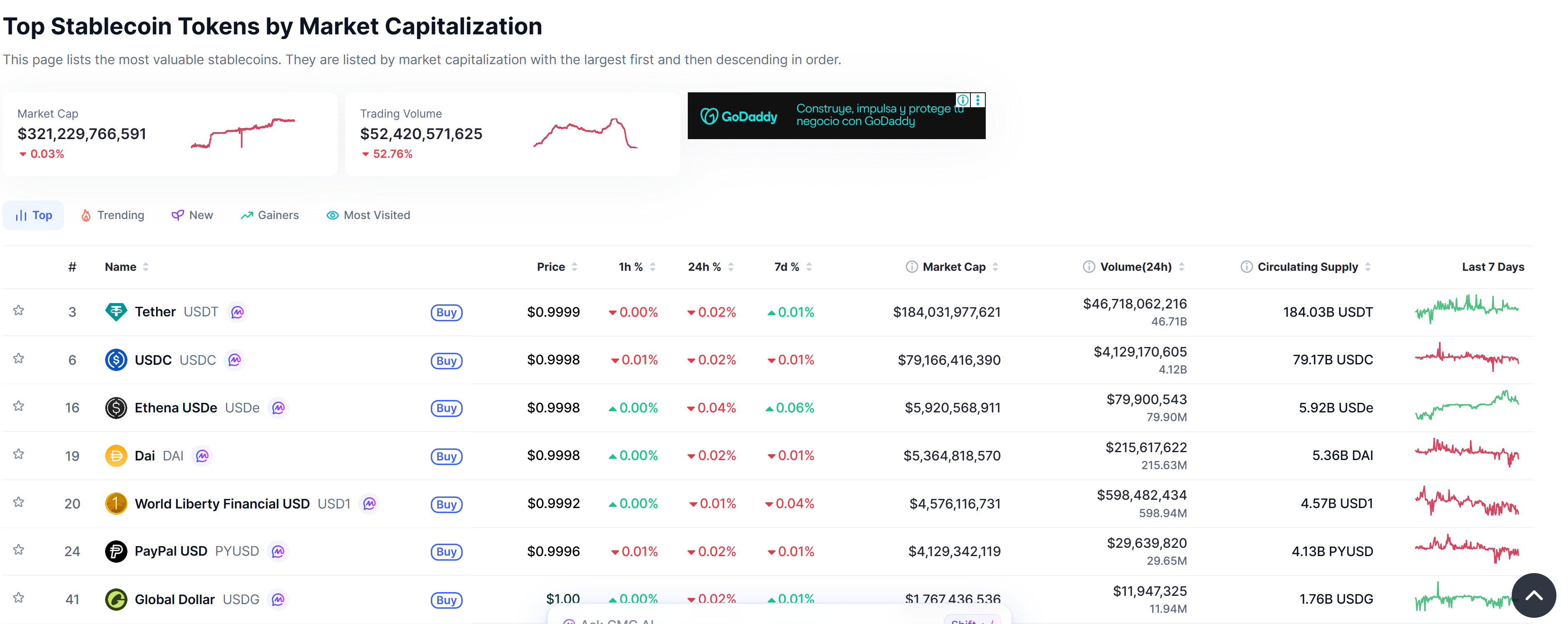
If lawmakers impose broader restrictions, capital could shift to alternative structures such as synthetic dollar tokens. Products like Ethena’s USDe generate yield through derivatives markets rather than traditional reserves. These mechanisms can offer returns even if regulated stablecoins cannot.
If that trend accelerates, regulators could face the opposite outcome of what they intend as more capital flows into opaque offshore structures with fewer consumer protections, according to Butler. “Capital doesn’t stop seeking returns,” he said.
Magazine: Bitcoin may take 7 years to upgrade to post-quantum — BIP-360 co-author