
Digital asset treasury (DAT) companies that tokenize their stocks on the blockchain compound the risks to investors and their own businesses, according to several crypto industry executives.
“Blockchains trade 24/7, whereas traditional markets have specific hours of operation,” Kadan Stadelmann, chief technology officer of the Komodo decentralized exchange platform, told Cointelegraph.
Sharp onchain price movements that occur outside of traditional market operating hours could lead to a run on the stock of a treasury company that has issued both tokenized and traditional shares, without the company having sufficient time to respond to a price hit.
Smart contract risks through code exploits or the risk of hacking both the underlying funds held by the crypto treasury company and the tokenized shares further magnify risk, Stadelmann added. Kanny Lee, the CEO of decentralized exchange SecondSwap, said:
“Tokenizing DAT equity creates a synthetic on top of a synthetic. Investors end up exposed twice, once to the volatility of the treasury’s crypto and again to the complexity of corporate equity, governance, and securities law. That’s a lot of risk layered onto already volatile assets.”
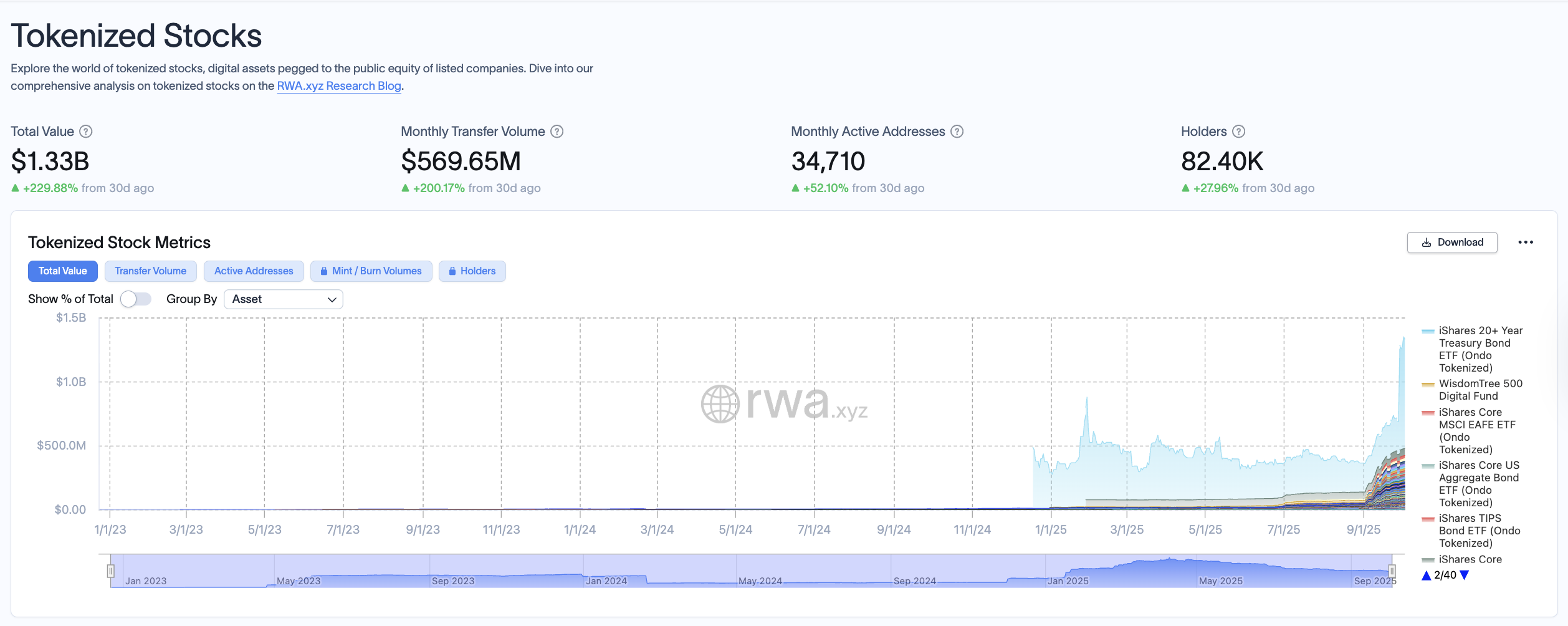
Tokenized stocks are gaining popularity as dozens of companies now have tokenized shares, and the US Securities and Exchange Commission (SEC) is teasing 24/7 capital markets. However, the lack of legal clarity leaves tokenized stocks in a regulatory grey zone.
Related: SEC’s tokenized stock push has unclear benefits for crypto: Dragonfly Exec
SEC and stock exchanges push for tokenized equities and round-the-clock trading
The US SEC is exploring blockchain-based stock trading to modernize the legacy trading system, which takes nights, weekends, and holidays off, while featuring lengthy settlement times compared to digital asset technology.
SEC officials are weighing plans to allow regulated retail crypto exchanges to offer tokenized stock trading to customers in the United States.

Traditional stock exchanges like the tech-focused Nasdaq and the New York Stock Exchange (NYSE) are also pushing for expanded trading hours to keep up with crypto markets that trade around the clock.
Nasdaq announced plans to offer 24-hour trading, 5 days per week, in March and is targeting a rollout of the expanded trading hours sometime in the second half of 2026.
Magazine: Will Robinhood’s tokenized stocks REALLY take over the world? Pros and cons