Isabel Schnabel, a member of the European Central Bank’s Executive Board, said the ECB should raise interest rates at its June meeting, even if a peace deal with Iran is reached. The statement, made on May 26, marks a decisive shift in tone from the central bank that had been holding rates steady as recently as April.
What’s driving the hawkish pivot
The Iran conflict, which escalated in February 2026, has sent energy prices surging across the eurozone. Costs to global companies from the conflict are estimated at $25 billion as of May 2026.
The ECB held rates steady at its April meeting, with the main refinancing rate sitting at 2.15% and the deposit facility rate at 2.0%. But the inflation picture has apparently deteriorated enough that patience is no longer the preferred strategy.
Schnabel’s position isn’t an isolated one, either. Martin Kocher, another ECB policymaker, has echoed similar sentiments. Consensus appears to be building within the Governing Council that the June 10-11 meeting will produce a rate increase.
What makes Schnabel’s comments particularly notable is the explicit dismissal of geopolitical developments as a reason to wait. Even if the Iran situation de-escalates tomorrow, she wants rates to go up anyway. That tells you the ECB views the inflationary damage as already baked in.
Market expectations and the rate path ahead
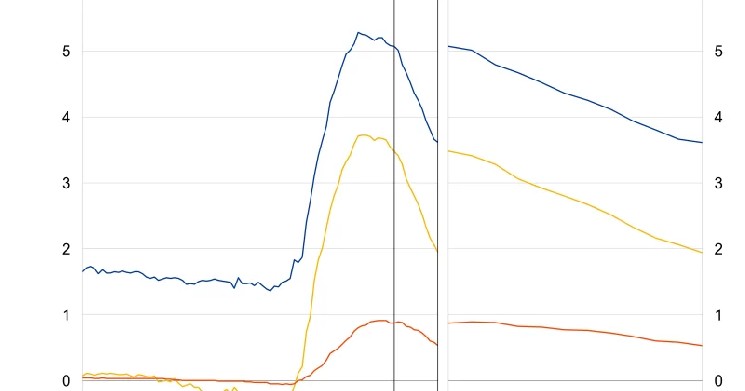
Markets have gotten the message. Analysts are treating a June hike as virtually assured, and expectations point toward multiple upward adjustments over the next year. Speculation suggests the deposit rate could climb to somewhere between 2.75% and 3%, a meaningful jump from the current 2.0%.
What this means for crypto investors
When borrowing costs rise, liquidity contracts. When liquidity contracts, the speculative end of the investment spectrum, which very much includes Bitcoin and Ethereum, tends to suffer. During the ECB’s prior tightening cycles, risk assets across the board experienced downward pressure as capital rotated toward higher-yielding fixed income instruments.
Higher rates mean higher opportunity costs for holding non-yielding assets. Bitcoin doesn’t pay a coupon. Ethereum staking yields have to compete against increasingly attractive risk-free rates in euros. As those risk-free rates climb toward 3%, the calculus shifts for institutional allocators.
Traders should brace for heightened volatility around the June 10-11 meeting. The press conference following the decision will matter as much as the decision itself, since forward guidance on the pace of future hikes will set the tone for risk appetite through the summer.
Investors positioned in DeFi protocols with euro-pegged stablecoins or eurozone-facing lending markets should monitor how higher rates ripple through on-chain borrowing costs.